Everything You Need to Know About the Great Wildebeest Migration
Introduction: What Is the Great Migration?
Wildebeest Migration Serengeti
The Wildebeest Migration Serengeti is one of the world’s most awe-inspiring wildlife spectacles. Every year, over 1.5 million wildebeest—accompanied by 350,000 Thomson’s gazelle, 200,000 zebra, and various antelope—embark on a dramatic circular journey across the Serengeti-Mara ecosystem. This never-ending cycle, driven by the search for fresh grazing and water, is often referred to as “The Greatest Show on Earth.”
Starting in Tanzania’s Serengeti National Park, the migration continues north into Kenya’s Masai Mara, before circling back south again. Along the way, travelers witness intense predator-prey interactions, river crossings, and the miracle of mass birthing.
📌 Planning to see the Great Migration? Check out our Serengeti Migration Safaris.
🐃 The Wildlife Behind the Wildebeest Migration
This incredible event features:
1.5 million wildebeest
200,000 zebra
350,000 gazelles
Numerous predators and scavengers
Each species plays a role in the grazing cycle. Wildebeest eat the tall grasses first, zebras follow with medium-height grass, and gazelles finish off the rest—allowing each group to benefit without heavy competition.
📅 Month-by-Month Breakdown of the Wildebeest Migration
🍼 January to March: Calving Season in Southern Serengeti
Keyphrase: Serengeti wildebeest calving season
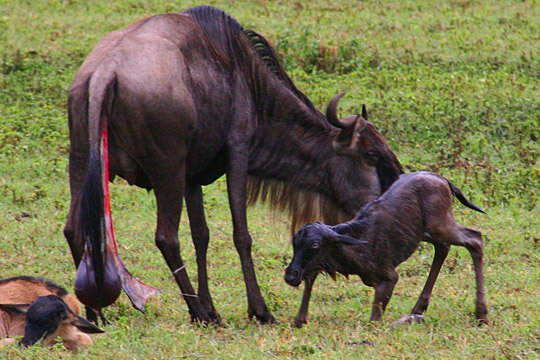
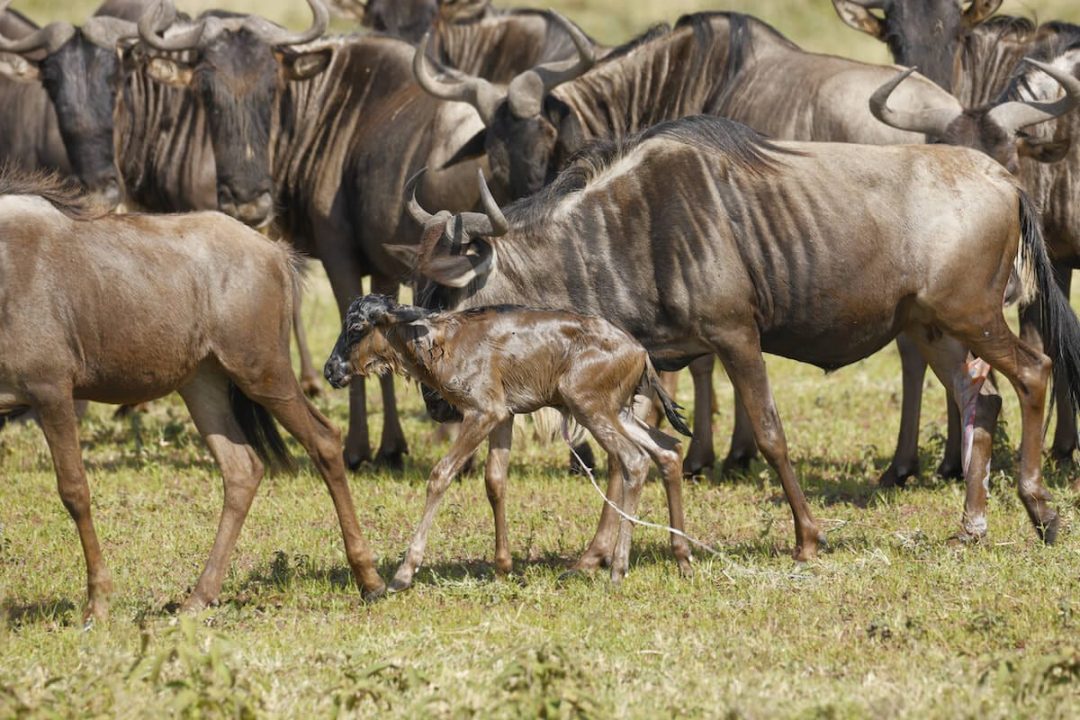
By January, herds settle in the Ngorongoro Conservation Area. Here, short-grass plains provide high-protein nutrition ideal for birthing. Between late January and early March, approximately 400,000 calves are born in just a few weeks.
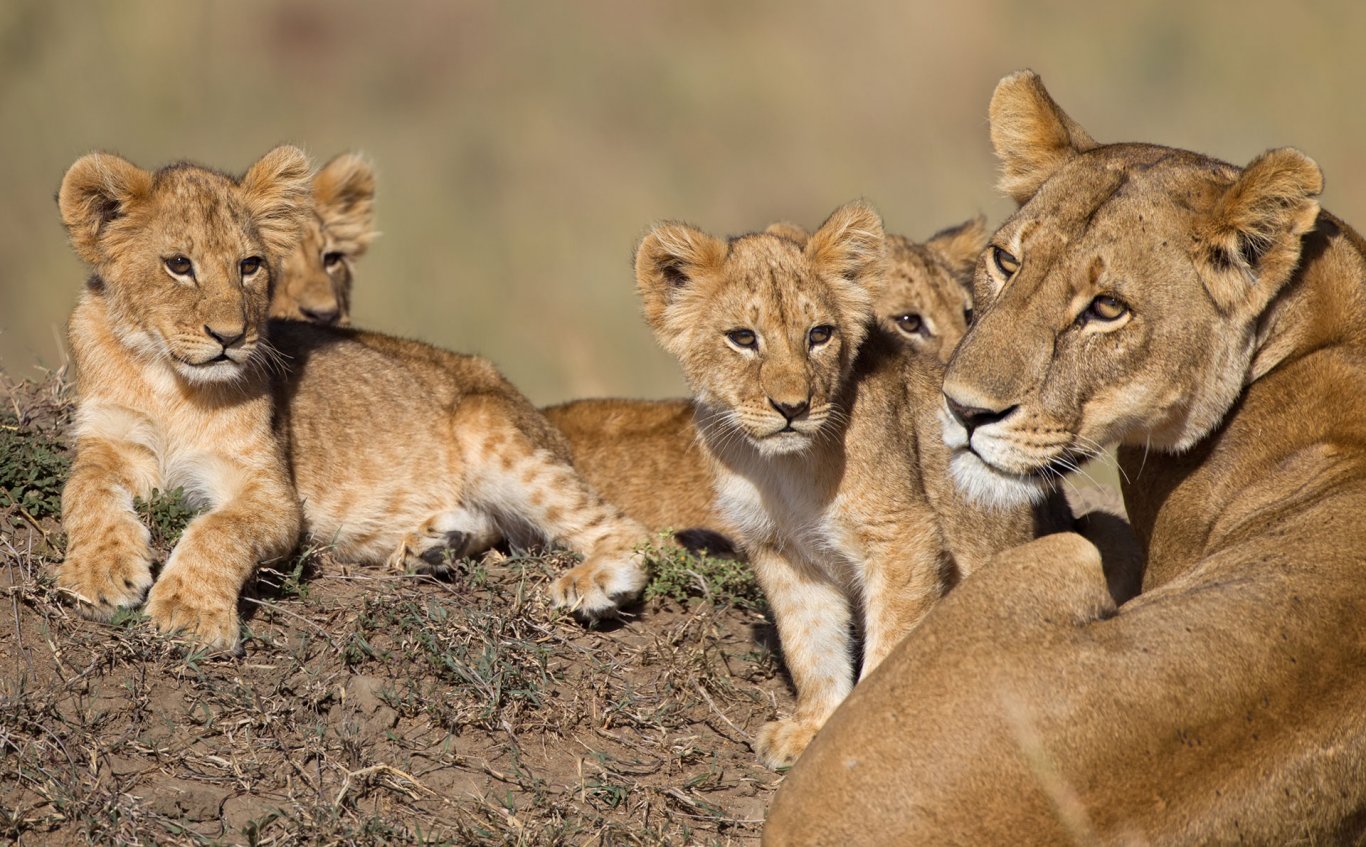
🐾 Predators like lions and hyenas thrive during this time due to the high number of vulnerable newborns.
📍 Suggested stay: Praygod Africa Safaris Migration Camps – Southern Serengeti
wildebeest calving season southern Serengeti January
🌱 April & May: The Long March Northwest
Keyphrase: Serengeti wildebeest movement
In April, the herds begin their northwest movement toward the Central Serengeti. By May, they arrive near the Moru Kopjes, where the rutting (mating) season begins.
📍 Stay at Dunia Camp or Ubuntu Migration Camp for top-notch viewing during this quieter season.
wildebeest herds migrating central Serengeti April May
🦁 June & July: River Crossings Begin – Grumeti & Mara Rivers
Keyphrase: Grumeti River wildebeest crossing
As the dry season begins, the wildebeest gather near the Grumeti River. By July, they push further north to face the infamous Mara River crossings.
These crossings are legendary for their high-stakes drama: crocodiles lie in wait, and predators patrol both banks.
📍 Top Viewing Spots: Praygod Mobile Camps – Northern Serengeti
wildebeest crossing Mara River Serengeti July
🐊 August to October: Masai Mara Grazing & Return Journey
Keyphrase: Mara River migration crossings
By August, herds split between the Masai Mara and the Northern Serengeti. Visitors can witness:
Intense predator action
River crossings from lodge decks
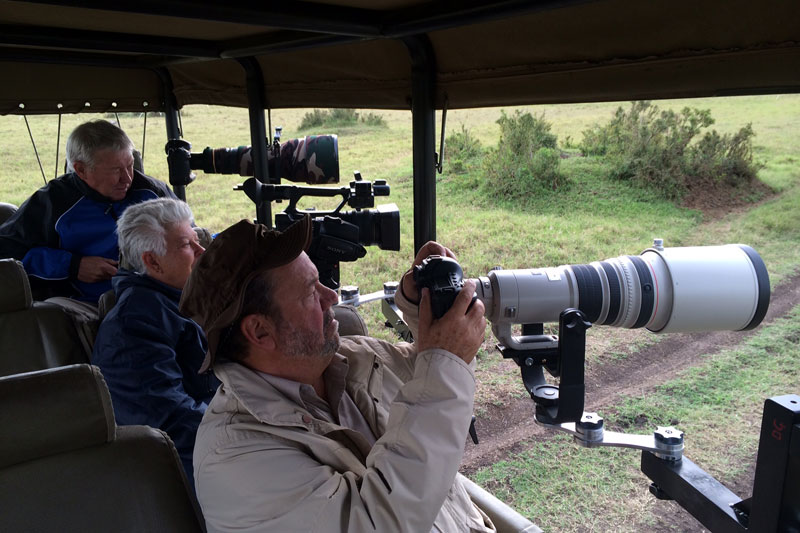
Thrilling wildlife photography
📍 For front-row action, visit Sayari Camp or explore the Mara with Praygod Africa Safaris.
wildebeest crossing Masai Mara river August
🌧️ November to December: Return to Serengeti South
Keyphrase: wildebeest migration cycle
With the short rains in November, the herds move back into Tanzania, returning through Namiri Plains, known for cheetahs. By December, the wildebeest spread across the southern Serengeti, completing the cycle.
📍 Namiri Plains is perfect for predator viewing and dramatic landscape photography.
wildebeest migration returns south December Namiri Plains
🏕️ Stay Close to the Action: Praygod Africa Safaris Mobile Camps
Keyphrase: Praygod mobile migration camps
Our three mobile camps move with the migration, placing you right where the action is—whether it’s calving, river crossings, or predator hunts. These seasonal camps offer:
Front-row seats to wildlife events
Comfortable, eco-friendly lodging
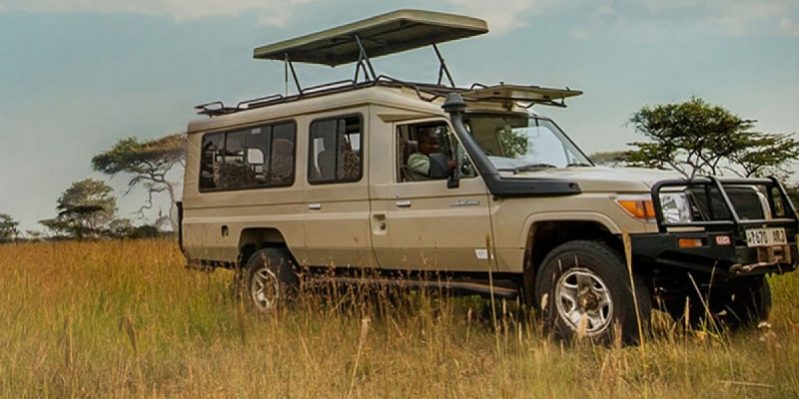
Expert-guided game drives
Explore all safari options at www.praygodafricasafaris.com